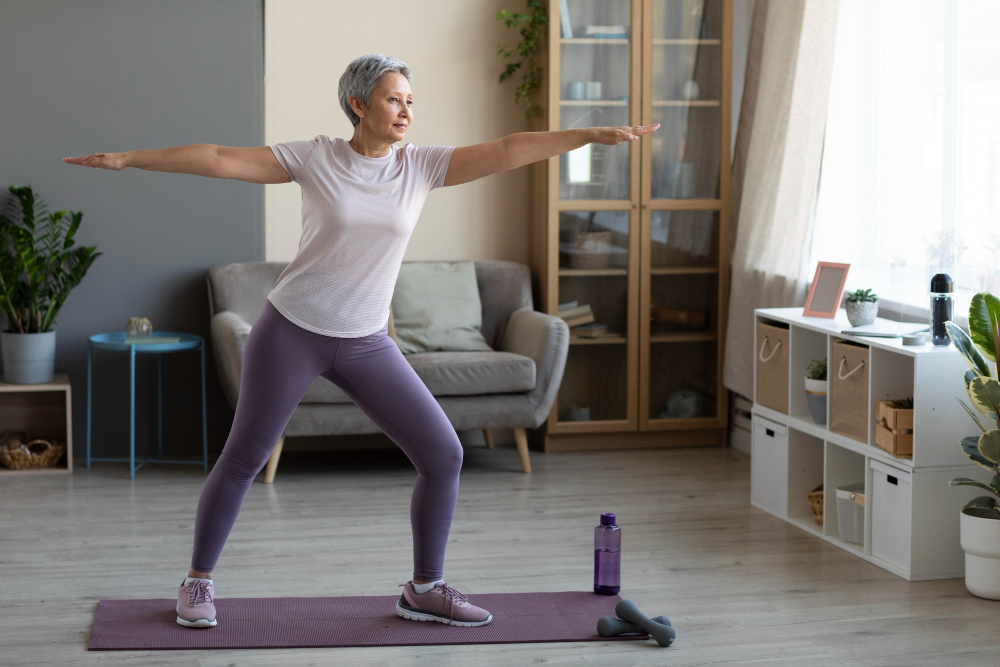
Many women wonder about exercise safety for women over 60. Staying active is important, but you may have questions about safe exercise for seniors, women’s health after 60, and starting an exercise routine after 60. In this FAQ, we answer common questions to help you feel confident and informed about beginning a fitness journey later in life.
Why is exercise important for women over 60?
First, regular exercise helps keep your body strong and your mind sharp. As women age, muscle and bone strength can decrease. However, staying active can slow this process. Exercise also helps control weight, lower blood pressure, and improve mood. In addition, it can reduce the risk of heart disease, diabetes, and some cancers. According to the CDC, physical activity is one of the best ways to stay healthy as you age.
Is it safe to start exercising after 60?
Yes, it is usually safe for women over 60 to start exercising. In fact, many health experts encourage it. However, you should talk to your doctor before beginning any new routine. This is especially important if you have health conditions or have not exercised in a long time. With the right approach, exercise can be safe and enjoyable at any age.
What types of exercises are recommended?
There are many safe exercises for seniors. You can choose activities that fit your interests and abilities. For example, you might enjoy:
Mixing different types of exercise can help keep things fun and work different parts of your body.
What precautions should women over 60 take before starting?
Before you begin, it is wise to take a few steps for safety. For instance, you should:
These tips can help prevent injury and make exercise more enjoyable.
How to start an exercise routine safely?
Starting slow is key. Begin with short sessions, such as 10 minutes a day. Gradually add more time as you feel stronger. You might also try exercising with a friend for support. Setting small, realistic goals can help you stay motivated. Remember, it is normal to feel some muscle soreness at first, but pain is a sign to stop.
Warning signs to stop or modify exercise
Sometimes, your body may signal that you need to rest or change your routine. Watch for these warning signs:
If you notice any of these, stop exercising right away. Then, contact your doctor for advice.
Benefits of regular exercise for women over 60
There are many benefits to staying active after 60. For example, regular exercise can:
Even small amounts of activity can make a big difference over time.
Common myths about seniors and exercise
Some people believe that seniors should avoid exercise, but this is not true. In fact, staying active is safe and helpful for most older adults. Another myth is that it is too late to start. However, research shows that benefits can begin at any age. Finally, you do not need to join a gym or do hard workouts. Simple activities like walking or stretching are enough to see results.
In summary, exercise safety for women over 60 is possible with the right steps. Always consult a healthcare provider or physiotherapist before starting any new exercise routine for personalized advice.